Master the literature. Explore themes, characters, plots, and literary devices.
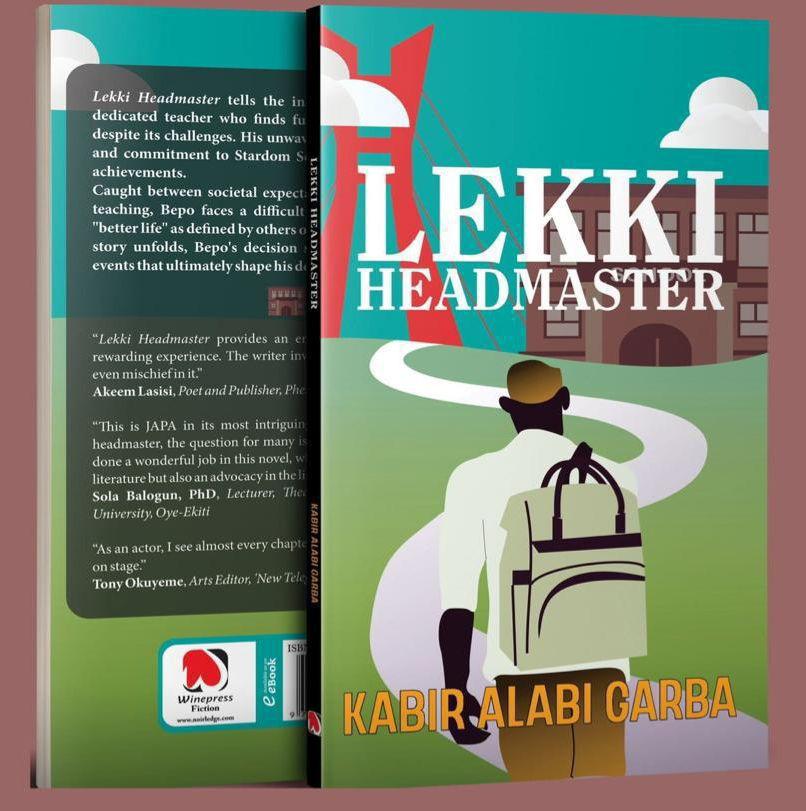
By Kabir Alabi Garba
A veteran Lagos headmaster faces the final year of his career — and the choic...
By Khadija Abubakar Jalli
When Omar gains admission to Ahmadu Bello University, his mother Ummi seizes ...
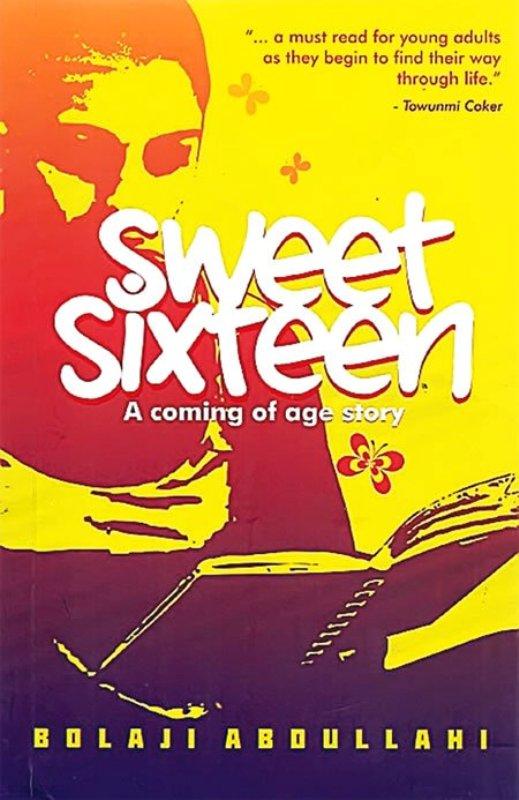
By Bolaji Abdullahi
On her sixteenth birthday, Aliya Bello receives a letter from her father that...
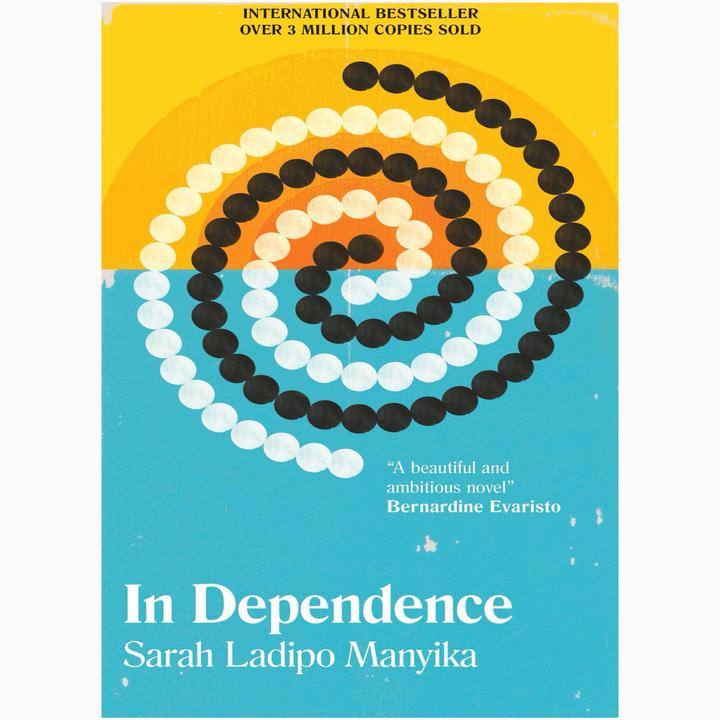
By Sarah Ladipo Manyika
In 1963, Tayo Ajayi leaves Nigeria for Oxford on a scholarship. There he fall...

By A. H. Mohammed
Jimi Solade, the most popular boy at the elite Forcados High School, is deter...
Try adjusting your keywords or JAMB year filter.
A veteran Lagos headmaster faces the final year of his career — and the choice between a quiet retirement in his hometown and the unfinished battles of the city school he has spent his life shaping.
Mr. Bepo Adewale, the long-serving headmaster of a secondary school in Lekki, is approaching retirement. Having spent decades building the school and defending it against the pressures of a broken system, he now faces a personal reckoning: should he stay and fight for one more cohort of students, or finally return to the quieter life he promised his family?
The novel follows him through the final stretch of his tenure — the staff he mentored, the students whose futures depend on his decisions, and the forces (both institutional and personal) that test his integrity. What emerges is a portrait of a man — and a nation — at a crossroads.
The tension between personal fulfilment and duty — what a life of service owes the servant, and what it costs the community when an honest man chooses himself.
Corruption in public institutions
Education as a battleground
Family and generational expectations
Urban vs. rural life in modern Nigeria
Mentorship and legacy
Mr. Bepo Adewale — the headmaster; experienced, principled, weary, and quietly proud of the school he has built.
The entrenched system of favouritism, opportunism and casual corruption that surrounds the school — personified by officials who profit from dysfunction.
The school staff — long-suffering teachers who reflect the larger education crisis
Students and parents — the human cost of a broken system
Adewale's family — the pull of home and the pull of Lagos
Colleagues and community figures — some allies, some obstacles
Irony — a man who has spent his life teaching is himself schooled by his final months on the job
Symbolism — the school building and its cracking walls mirror the state of the education system
Flashback — glimpses of Adewale's early career establish the arc of his ideals
Contrast — Lekki's glass towers vs. the rural hometown's simplicity
Dialogue-driven characterisation — the staffroom scenes carry much of the thematic weight
When Omar gains admission to Ahmadu Bello University, his mother Ummi seizes the moment to share her own campus experiences — a cautionary tale of freedom, temptation, and the choices that define a young person's future.
The novel opens with five-year-old Bint recounting a classroom anecdote about her Social Studies teacher, Mallam Salihu. When Omar arrives home with news of his admission to Ahmadu Bello University to study Law, the family celebrates. Ummi, his mother, decides to prepare him for campus life by narrating her own experiences and those of Salma, a fellow student.
Through Ummi's embedded narrative, we follow Salma — a vain, provocative, and academically negligent student — as she navigates university life. Salma's refusal to conform to rules leads to her expulsion for exam malpractice. Meanwhile, other students like Talle, a quiet orphan, fall into kidnapping and extortion, while the corrupt politician Habib exploits students. The novel weaves together multiple campus stories to deliver a didactic message about integrity, the dangers of unchecked freedom, and the importance of heeding parental counsel.
The transformative power of education and the critical role of parental guidance in shaping moral character during the turbulent transition to adulthood.
Freedom and its consequences
Peer pressure and negative influence
Corruption and integrity in institutions
Deception and hypocrisy
Social media influence
Redemption and second chances
Cultural expectations vs. personal choices
Ummi Ahmed — the narrator; a mother of four who recounts her university days and those of Salma as a moral guide for her son Omar. She represents wisdom, patience, and parental authority.
Salma — a tall, slim, fair-complexioned student whose vanity, arrogance, and willingness to cut corners (dressing provocatively, exam malpractice, transactional relationships) drive much of the campus conflict. She is the cautionary figure of the novel.
Omar Ahmed — Ummi's eldest son, newly admitted to study Law at ABU; the catalyst for Ummi's storytelling
Bint Ahmed — Ummi's 5-year-old daughter; opens the narrative with her classroom wit
Teemah and Jamila — Ummi's other daughters
Talle — a quiet, reserved orphan who falls into kidnapping and extortion
Zaki — Talle's accomplice and later muscle for Habib
Habib — a corrupt politician who acts as Salma's transactional benefactor
Dr. Dabo — a disciplined lecturer who embodies academic integrity
Kolawole Abdul — a brilliant student Salma drags into exam malpractice; both are expelled
Labaran — Habib's driver; becomes entangled in campus schemes
Mallam Salihu — Bint's Social Studies teacher; a minor comedic figure
Frame narrative — Ummi tells the story of Salma to her son Omar, creating a story-within-a-story structure
Embedded narrative — multiple campus stories are told within Ummi's primary narration
Didacticism — the novel is explicitly instructional, using Salma's downfall as a moral lesson
Character foils — Salma (vanity, shortcuts) contrasted with Ummi (patience, integrity); Talle (quiet desperation) contrasted with Zaki (open criminality)
Irony — Salma's name suggests peace, yet she brings chaos; "Dr. Kabir" is a lab technologist, not a medical doctor
Symbolism — the university as a "maze" represents the confusing journey of young adulthood
On her sixteenth birthday, Aliya Bello receives a letter from her father that is far more than a birthday card. It is a guide to life, love, and the lessons she will need as she steps into adulthood.
The novel unfolds over a single weekend following Aliya's sixteenth birthday. Her father, Mr. Bello, a retired journalist, presents her with a letter — one page for each year of her life — containing wisdom, advice, and reflections on growing up. Through a series of conversations between Aliya and her father, the narrative explores themes of identity, morality, and the facts of life that teenagers grapple with.
Aliya, who prefers to be seen as a "young adult" rather than a child, questions her father about everything from acronyms like HAK (Hugs and Kisses) to the deeper issues of dating, stereotypes, and her place in society. Through their discussions, the novel serves as both a parenting guide and a coming-of-age manual for young adults.
The journey of moral enlightenment, self-identity, and intellectual development from childhood to young adulthood, guided by parental wisdom.
Parenting and guidance
Moral values and ethics
The transition from childhood to adulthood
Self-identity and social awareness
Stereotypes and beauty standards
Education and intellectual curiosity
Gender and societal expectations
Aliya Bello — an intelligent, precocious, and inquisitive sixteen-year-old girl who is eager to explore the world but still needs her father's guidance.
Not a single person — the antagonist is a combination of societal ills, stereotypes, and the challenges of adolescence that Aliya must overcome. Aliya's own youthful naivety also serves as an internal antagonist.
Mr. Bello — Aliya's father; a retired journalist, wise, protective, and devoted to his daughter's upbringing
Mrs. Bello — Aliya's mother; a nurse, often distant from the father-daughter dynamic
Big Mummy — Aliya's grandmother
Seyi — Aliya's school friend
Tola — Aliya's friend
Mr. Adebayo — a teacher
First-person narrative — the story is told from Aliya's point of view, using "I" and "we"
Epistolary elements — the letter from Mr. Bello forms the backbone of the narrative
Dialogue — the novel is predominantly dialogue-driven, with conversations carrying the thematic weight
Bildungsroman structure — the growing character technique is used to show Aliya's development
Allegory — the letter functions as an allegory for life's journey
Flashback — memories of Aliya's childhood are woven into the narrative through her father's reflections
In 1963, Tayo Ajayi leaves Nigeria for Oxford on a scholarship. There he falls in love with Vanessa Richardson, the daughter of a former colonial officer. Their story spans four decades, two continents, and the unshakeable weight of history.
The novel begins in 1963 as Tayo Ajayi, a young Nigerian, sails to England on a scholarship to study at Oxford University. He is immediately captivated by the intellectual and social freedom of the era, and soon falls in love with Vanessa Richardson, the beautiful daughter of a former colonial officer.
Their love affair is passionate but doomed by the racism of 1960s Britain and the pressures of their different cultural backgrounds. Tayo returns to Nigeria, where he becomes a professor of history, while Vanessa becomes an international journalist. Over the decades, their lives intersect and diverge across continents — Paris, San Francisco, Lagos — as each grapples with questions of identity, belonging, and the pull of their shared past. The novel is a lyrical meditation on how love, history, and geography make us interdependent, even when we feel most free.
The interdependence of people and nations — how love, race, colonial history, and geography bind individuals even when they are physically apart.
Race and racism in post-colonial Britain
Colonial legacy and its enduring scars
Cultural identity and belonging
The tension between personal desire and societal expectation
Gender and patriarchy
Faith and family secrets
Nostalgia and the passage of time
Tayo Ajayi — a Nigerian scholarship student at Oxford who becomes a history professor. Idealistic, brilliant, and torn between his love for Vanessa and the expectations of his family and nation.
Not a single person — the antagonists are the forces of racism, colonial history, and social pressure that conspire to keep Tayo and Vanessa apart. Vanessa's father (an ex-colonial officer) and the racist society around them embody this opposition.
Vanessa Richardson — Tayo's British love interest; the daughter of a former colonial officer. She becomes an international journalist and shares a deep, enduring bond with Tayo.
Tayo's Nigerian family — including his father, whose expectations shape Tayo's choices
Vanessa's father — a former colonial officer whose racism mirrors the larger societal barriers
Miriam — Tayo's wife (later in life); a devout Nigerian woman
Christine — a woman Tayo meets in Paris
Jonathan — Tayo and Vanessa's son
Dual narrative — the story alternates between Tayo and Vanessa's perspectives
Non-linear chronology — the narrative moves back and forth across four decades
Symbolism — the title itself (In Dependence) plays on the double meaning of personal dependence (love, need) and national independence (post-colonial Nigeria)
Intertextuality — the title echoes the African independence movements of the 1960s
Lyrical prose — Manyika's writing is poetic and evocative, particularly in her descriptions of place
Epistolary elements — letters and journal entries punctuate the narrative
Contrast — Oxford's dreaming spires vs. Nigeria's political turbulence; intellectual freedom vs. familial duty
Jimi Solade, the most popular boy at the elite Forcados High School, is determined to make his final year the best yet. But with his rogue brother back in town and a mysterious new girl in class, life is about to get complicated.
Jimi Solade, a brilliant and popular student, begins his final year at Forcados High School determined to succeed. However, his home life is in turmoil: his elder brother, Wole, has returned after being disowned by their strict father for financial misconduct. As Jimi navigates school life with his friends Ansa and Nene, a new student, Efua Coker, joins their class. Efua is beautiful but aloof, carrying the trauma of an abusive past.
Jimi's world is further shaken when his mother falls seriously ill. Forced to confront adult realities, he must juggle family crises, academic pressures, and the temptation of his brother's dangerous lifestyle. The novel climaxes with Jimi facing a critical choice that will define the man he becomes.
The journey of self-discovery and the transition from adolescence to adulthood, shaped by the competing influences of family, school, and peer groups.
Friendship and loyalty
Parental roles and expectations
Child abuse and its trauma
Peer pressure and drug abuse
Tolerance and acceptance
The role of education in shaping character
Jimi Solade — the central character; a brilliant, popular, and athletic final-year student caught between family troubles and the pressures of school.
Wole Solade (as a destructive influence) — Jimi's rogue elder brother, whose criminal behaviour and return to the family home threaten to derail Jimi's final year.
Ansa Izaegbegbe — Jimi's artistic and easy-going next-door neighbour and best friend
Nene Ekpo — Jimi's sweet, devout female friend who has feelings for him
Efua Coker — the beautiful, mysterious new student with a traumatic past
Mr. Solade — Jimi's strict and temperamental father
Mrs. Solade — Jimi's loving mother
Mr. Mallum — the principal of Forcados High School
Seyi Lawal — the head boy
Mrs. Obange — a strict teacher
Mama Sillifat — the school food vendor
First-person narrative with an omniscient touch — the story is told primarily from Jimi's perspective
Contrast — the idealised world of Forcados High vs. the fractured Solade household
Symbolism — Efua's silence represents hidden trauma; Wole's lifestyle represents the lure of easy money
Flashback — Efua's past abuse is revealed through gradual recollection
Dialogue — used heavily to reveal character and advance the plot, especially in school scenes
© 2026 MyCBT Exam. All rights reserved.